
Blowouts Explained: What Sprinkler Winterization Protects and Why It Matters
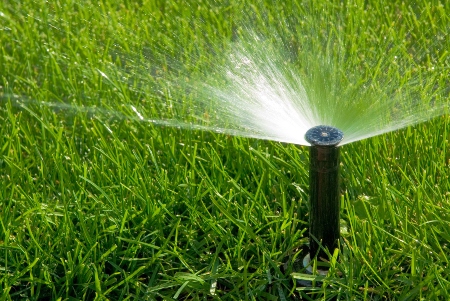
In North Idaho, the first hard freeze isn't just a weather event. It is the moment small irrigation issues become expensive repairs. If you have sprinklers, sprinkler winterization is the simplest way to protect the system you already paid for, especially when temperatures in Coeur d'Alene drop fast and stay there. Most homeowners only think about blowouts after something breaks, but the point is to keep that surprise from happening in the first place.
A proper sprinkler winterization does more than turn the water off. It removes the water that gets trapped in pipes, valves, and heads. When that water freezes, it expands. Expansion is what cracks fittings, splits lines, and leaves you with leaks that do not show up until spring start-up. And by then, you are dealing with soggy spots, low pressure, zones that do not run, or a system that wastes water while your lawn struggles to green up.
What a Blowout Actually Does (And Why It Works)
A sprinkler blowout is the process of pushing compressed air through your irrigation lines to clear out water before freezing weather arrives. The goal is not to blast the system aggressively. The goal is controlled air pressure that moves water out of the lines, zone by zone, so there is nothing left behind to freeze.
When winterization is skipped, water sits in low points, elbows, and valve boxes. That is where freeze damage tends to happen. The result is often a crack you cannot see until you pressurize the system again. Then the yard starts giving clues: one zone is weak, one section stays muddy, or you notice water pooling around a head that worked fine last fall.
The Parts Sprinkler Winterization Protects
While it is easy to picture water sitting in the pipes, the system has more freeze-risk points than most people realize. Professional sprinkler winterization protects the specific components that are the most expensive or labor-intensive to replace once seasonal damage occurs. Without proper clearing, the expansion of ice can lead to a variety of mechanical failures that compromise your property's health:
- Underground lines and fittings
- Valves and manifolds
- Backflow prevention assemblies
- Sprinkler heads and nozzles
Zone pressure regulators
Underground lines and fittings are a primary concern; a cracked line can create a slow leak that quietly wastes water and keeps parts of your lawn saturated. Over time, this excess moisture can thin turf, invite fungus, and create uneven growth that is difficult to mow cleanly. Similarly, valves and backflow assemblies are common problem areas that control flow and pressure. If these crack, you may end up with zones that will not activate or shut off, leading to pressure issues and uneven coverage.
Homeowners often try to compensate for these issues by running longer cycles, which increases water bills without actually fixing the underlying mechanical problem. Sprinkler heads take damage as well; a cracked head might cause a visible geyser in the spring, while a smaller break may only manifest as overspray and poor coverage. In either case, your watering becomes less predictable, making it significantly harder to keep grass healthy when the season kicks off.
The Hidden Costs of Skipping Winterization in Coeur d'Alene
Most homeowners do not budget for irrigation repairs because they assume the system will make it through. The problem is that freeze damage rarely announces itself immediately. It waits until you turn the system back on. Then spring becomes a troubleshooting season. You are walking the yard looking for soggy spots, trying to figure out why one area is dry, or wondering why the pressure feels lower than it used to.
One of the most frustrating parts is that many leaks stay underground, so the first sign is a higher bill or a soft spot that never dries out. In Coeur d'Alene, that can also mean muddy edges near sidewalks or water seeping into planting beds. A timely sprinkler winterization helps you avoid starting the season with damage you cannot see, but you definitely pay for.
When to Schedule a Blowout (Without Playing Weather Roulette)
The best time to schedule sprinkler winterization is before consistent freezing temperatures arrive, rather than waiting for the first cold snap to cause an emergency. In North Idaho, the transition window can be remarkably short as fall weather shifts rapidly. If you wait until nighttime temperatures are consistently below freezing, the risk of damage increases significantly because water may already be expanding within the lines or valves before a technician even arrives. To ensure your system remains protected, we recommend a proactive approach that includes:
- Monitoring declining daytime temperatures
- Reducing irrigation frequency in early fall
- Scheduling service before the first hard freeze
- Securing backflow preventers against sudden drops
- Coordinating blowouts with final seasonal maintenance
Planning ahead as daytime temperatures trend downward allows winterization to serve as the final, clean closure to your outdoor season. Since your lawn does not require the same irrigation volume in late fall as it does in the peak of summer, shutting down the system early carries very little risk to your turf health. Even if you suspect you are late in the season, it is still worth calling immediately; our goal is to protect as much of your infrastructure as possible and reduce your exposure to freeze-related repair costs.
How Winterization Supports Healthier Turf Next Spring
Sprinkler winterization is not only about saving the irrigation system. It also helps your lawn start the next season stronger. When a system is damaged, spring watering becomes inconsistent. Some areas get too much water because of leaks. Other areas get too little water because the pressure is low or the heads are broken. That uneven coverage shows up as patchy green-up, thin zones, and stressed turf that struggles even after mowing begins.
A smooth start to spring matters because early-season growth really sets the tone for the rest of the year. When watering is consistent, turf responds better to mowing and any treatments you choose to do later. It is one of the simplest ways to avoid the why does my lawn look uneven every year? frustration.
A Simple Way to Make This Season Easier
If you have ever started spring by chasing leaks, replacing heads, or wondering why the sprinklers sound different, you already understand the value of prevention. Winterization is one of those tasks that feels optional until the year it is not. Signature Landscaping can help you protect your irrigation system before winter weather hits. We also support the rest of your seasonal routine with reliable lawn care services in Coeur d'Alene that keep your exterior predictable and easier to manage.
Ready to protect your irrigation system in Coeur d'Alene? Call 208-647-7777 to schedule your sprinkler winterization. You will go into winter knowing your system is protected, and you will start spring with fewer surprises.
