
What Dull Blades Do to Grass (And Why Your Lawn Turns Brown at the Tips)
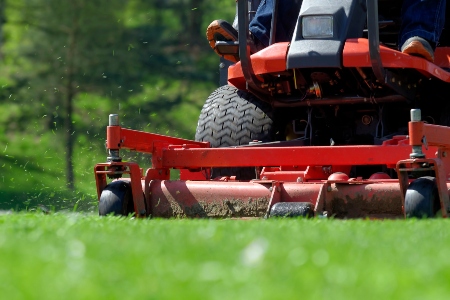
If your lawn looks green from a distance but crispy up close, the culprit is often hiding in plain sight: dull mower blades. In Coeur d'Alene, that problem tends to show up fast during peak growth because your lawn is getting cut frequently, and every lawn mowing is a chance to either help the turf recover cleanly or stress it a little more.
A clean cut is one of those simple things that quietly improves everything. When the blade is sharp, grass heals quickly, holds color better, and looks smoother after each pass. When the blade is dull, the lawn still gets shorter, but the finish gets ragged, the tips brown out, and the turf becomes easier to push around due to disease and weather swings.
A Sharp Blade Cuts, a Dull Blade Tears
Grass is built to be cut. Each blade has internal water-conducting tissue and structural fibers that can recover well when the wound is clean. A sharp mower blade slices the grass like a good pair of scissors. The cut edge stays neat, the moisture loss is smaller, and the plant can move on with normal growth.
A dull blade does something different. Instead of slicing, it tears and frays the top of the grass blade. That torn edge dries out unevenly, which is why you see that familiar brown or straw-colored tip. The damage is also irregular, which is why a lawn can look fuzzy or slightly gray-green after mowing, even when the height is correct.
That tearing effect is worse when the lawn is damp or growing aggressively. Wet grass bends instead of standing tall, and dull blades pull at it rather than cutting cleanly. In a place like Coeur d'Alene, where mornings can stay cool, and lawns can hold moisture longer in shaded areas, dull-blade mowing often creates a patchwork look: greener in one spot, ragged in another.
Brown Tips Are the Symptom, Stress Is the Problem
Brown tips are annoying, but the bigger issue is what the brown tips represent: extra stress on the plant. The frayed ends lose water faster, and the plant has to spend energy repairing tissue instead of thickening and spreading. Over time, that can make the lawn less dense, especially in areas that already struggle with shade, heat reflection, or uneven watering.
The frustrating part is that homeowners often respond by changing the wrong variable. They water more. They cut lower. They try one more fertilizer. But if the lawn is getting torn up at the top every week, the turf never really gets to stabilize. A clean cut doesn't fix every lawn problem, but it removes a common source of weekly damage that keeps lawns from looking consistently crisp.
How Dull-Blade Damage Opens the Door to Disease
A torn grass blade is not just cosmetic. It's also a bigger entry point for pathogens. Most turf diseases take advantage of stress, moisture, and vulnerable tissue. When a blade is shredded, the plant's natural defenses have more surface area to protect, and that's harder to do when conditions are already working against you.
Think about what happens after a dull-blade cut:
- The tips dry unevenly
- Moisture clings longer to the frayed edges
- Airflow through the canopy is slightly worse because the lawn looks stringy instead of clean
- The plant is spending resources on repair rather than on root strength
That combination is exactly what many common turf issues are like. You do not need to be battling a major outbreak for dull blades to matter. Even mild disease pressure can leave a lawn looking tired and inconsistent, especially when growth is strong and mowing is frequent. If you want your lawn to look better without turning maintenance into a science project, sharpening the cut is one of the most practical steps you can take.
Signs Your Mower Needs Attention
Some lawns practically announce it after mowing. Others just look a little off, and it takes a closer look to connect the dots. If you're wondering whether blade sharpness is an issue, check the grass tips right after a cut. A clean cut looks like a straight edge. A torn cut looks frayed, split, or shredded.
Other signs tend to show up in your mowing experience, too:
- The mower seems to rip louder than it used to
- Clippings look stringy instead of clean
- You see more clumps, even when you mow regularly
- The lawn looks dull or tan at the top a day or two later
If you mow your own lawn, the fix may be as simple as a blade-sharpening schedule that matches how often you cut and what you cut through. Sandy soil, hidden twigs, pine cones, and gravel near edges can dull blades faster than most people expect. In neighborhoods around Coeur d'Alene where lots include mature trees and mixed landscape borders, it's common for blades to lose their edge long before the mower feels broken.
How Professionals Keep Color Consistent
This is where professional lawn care services in Coeur d'Alene can make a visible difference. One of the simplest advantages of hiring out weekly cutting is that you're not trying to squeeze maintenance into your free time, so the lawn is less likely to get late, overgrown, and then chopped down aggressively. There's also an advantage people notice right away: the finish, which comes from consistent timing, the right height for the season, clean trimming along borders, and sharp blades that leave grass looking smooth instead of shredded.
The Link Between Clean Cuts and Watering Results
Here's a detail many people don't connect: dull blades can make watering feel inconsistent. When turf is stressed and frayed, it does not respond the same way to moisture. You can water evenly and still see uneven color because some areas are recovering from better cuts, while others are constantly torn up.
A clean cut helps grass hold onto the benefits of good watering habits. Instead of the top of the blade drying out and browning, it stays greener and rebounds faster. That's also one reason lawns can look better even with the same irrigation schedule once the mowing quality improves.
In Coeur d'Alene, where a lawn may include sunny stretches and shaded zones in the same yard, that difference matters. Shaded areas already dry more slowly and can be more disease-prone. Sunny areas already get stressed faster during the heat. When the mowing cut is clean, both zones have a better shot at staying visually consistent.
When a Better Cut Changes Everything
If your lawn has brown tips every week, you do not necessarily need a complicated overhaul. A better cut is often the first small change that produces a noticeable improvement. It makes your mowing height choices work better. It makes your watering schedule more forgiving. It makes the turf look denser and more even without you having to micromanage the yard.
If you want the simplest path to a cleaner-looking lawn, start with the service that touches your grass most often. Call 208-647-7777 to set up a lawn mowing schedule that keeps your turf looking clean from week to week in Coeur d'Alene.
